How to Handle Bad Airbnb Reviews: A Host's Guide to Responding, Disputing, and Recovering

Even if your property received a bad Airbnb review, you can still use it to your advantage. Learn how hosts can reduce the negative effects of bad Airbnb reviews and even make them work to attract new guests.
Key Takeaways
- One bad review won't sink your Airbnb business. Ratings are cumulative, and a single low score barely moves an average built on dozens of stays, just as one glowing review can't make you a Superhost on its own.
- Most negative reviews trace back to five things: inaccurate listing details, cleanliness, safety issues, poor communication, and broken promises. All five are preventable with clearer expectations before check-in.
- Airbnb gives both host and guest 14 days after checkout to submit a review. Once both sides submit, or that window closes, the review publishes, and it can't be removed just because you disagree with it.
- You can dispute a review that violates Airbnb's Reviews Policy (fake, retaliatory, or extortionate reviews, for example) through the Resolution Center, and Airbnb usually decides within 48 hours.
- A calm, specific public response does more for your reputation with future guests than the original review itself, whether or not Airbnb agrees to remove anything.
- Automating guest communication and review requests, through a tool like iGMS, catches small problems before checkout instead of after the review is already live.
Getting a bad review on Airbnb feels personal, even when it isn't. But negative feedback is a normal part of running a rental business. Even hosts with hundreds of five-star stays pick up the occasional low rating, a guest having a bad day, a mismatched expectation, a maintenance issue nobody caught in time. One poor review doesn't mean you're a bad host, and it won't erase the trust you've built with everyone else who's stayed with you.
Bad Airbnb reviews are negative guest ratings, usually triggered by inaccurate listings, cleanliness issues, poor communication, or unmet expectations, that hosts can respond to, dispute through Airbnb's Resolution Center if they violate policy, or use to identify real fixes for their property.
This guide walks through what actually causes bad Airbnb reviews, how to write a response that protects your reputation instead of damaging it further, four practical strategies for dealing with one, and how to turn negative feedback into something that works in your favor.
What Really Triggers Negative Airbnb Reviews
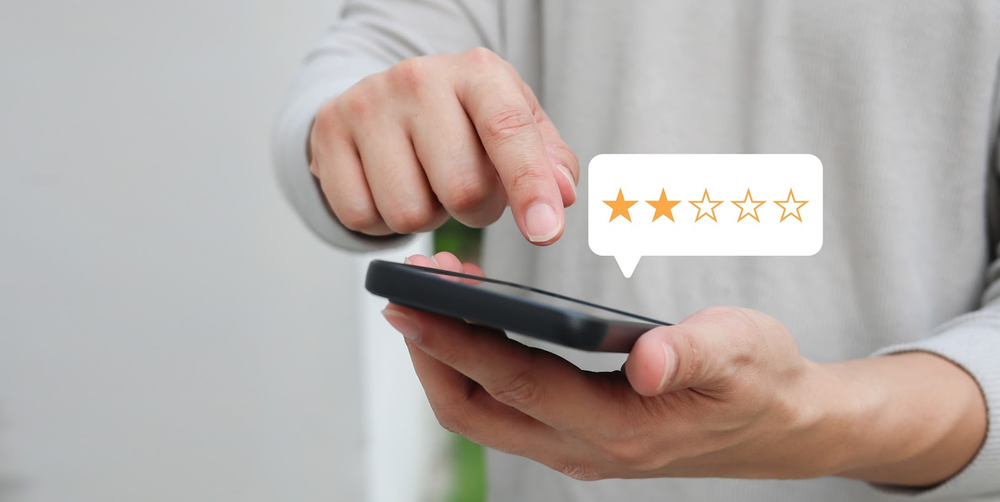
Guests leave bad reviews for pretty predictable reasons, and a handful of recurring issues account for most of what hosts receive. A little due diligence before you ever open your Airbnb listing for bookings, accurate photos, tested Wi-Fi, working locks, prevents most of it before a guest has a reason to complain.
Misleading property descriptions
Your listing should match exactly what a guest finds when they arrive. One frustrated guest put it this way after booking a property for an anniversary trip:
"When I was planning this trip to celebrate my anniversary with my boyfriend, I specifically applied the 'fireplace' filter for the romantic ambiance. So, you can imagine my disappointment when I asked you how to use it (twice!)... It's okay to have amenities that guests can't use, but you can't include them in the listing."
If an amenity is decorative, broken, or seasonal, either fix it or remove it from the listing. Airbnb guests book based on your photos and amenity list, and a mismatch between the two is one of the fastest ways to earn a one-star review.
Cleanliness issues
Guests expect a spotless space, especially once they've already paid a cleaning fee. One guest described arriving to the opposite:
"Upon arrival, we were asked to pay an additional €110 cleaning fee before even seeing the apartment. Unfortunately, when we entered, we found the apartment in an unacceptable condition, it had not been cleaned for months, with dirt and grease everywhere."
A consistent turnover checklist and a cleaning team you trust (or manage directly through your cleaning and team management tools) go further toward preventing this than any response you could write afterward.
Safety and security gaps
Every exterior door needs a functioning lock, and smoke detectors need to be installed and working. These aren't optional extras, they're baseline expectations guests are entitled to, and gaps here tend to generate the harshest reviews of all, along with the occasional insurance claim if something actually goes wrong on-site.

Poor communication
Guests expect a reasonably fast response when something isn't working. One reviewer described a frustrating back-and-forth over a Wi-Fi issue:
"Each time we messaged her about the Wi-Fi not working, she took a while to respond. Then the next morning we were having internet issues, and she took almost 2 hrs to respond. She kept saying 'the internet has never not worked or has any issues.'"
Beyond the wait itself, the dismissive tone ("it's never had issues") made things worse. Acknowledging a guest's problem, even one you can't fix immediately, matters as much as the fix itself. A solid Airbnb communication strategy and a set of ready-to-send guest messaging templates make it far easier to respond quickly even during a busy turnover week.
Maintenance problems
Peeling paint, broken fixtures, clogged plumbing, and lighting that doesn't work all read as neglect to a guest, even when the issue is minor to fix. A quick pre-arrival walkthrough catches most of these before a guest ever notices.
Listings that don't match reality
This goes beyond a single missing amenity. Sometimes the whole property doesn't match what was advertised:
"Run! The pics shown in the ad are NOT of the offered room or even of the same house. We arrived to a tiny, run-down room with super old, worn furniture, totally different than shown in pics."
Photos should be current, taken in the actual space guests will occupy, and updated any time you renovate or replace furniture.
Noise
You can't control a neighbor's late-night party, but you can control what's inside your walls, quiet appliances, well-maintained plumbing, and doors that don't slam. Addressing what's in your control keeps noise complaints to the things genuinely outside it.
Broken promises
Commitments made during booking or check-in messages need to hold. One guest's complaint came down to a simple discrepancy:
"I sent that we would get there around 3. I was told well arrival is at 4 pm. I screenshot my reservation where it states it's 3 pm."
Whatever you tell a guest in messages should match what's in the reservation. When it doesn't, guests notice, and they'll say so in the review.
Guests who leave bad reviews are usually looking for one of a few things: a public acknowledgment, a partial refund or compensation, an apology, or occasionally a gesture like a discount code for a future stay. If a pattern of complaints keeps surfacing, it's worth reading up on how to handle Airbnb complaints before they turn into reviews in the first place.
How to Respond to a Bad Airbnb Review
However the review reads, staying professional matters more than being right. It's natural to take a harsh review personally, but the worst thing you can do is respond emotionally, and a defensive reply almost always makes things worse for future guests reading it than the original review ever did.
Example: a response that backfires
"Meghan, I gave you explicit instructions about locking the door. I went well out of my way to help! I have since taped over that lock so lesson learned on my part. I gave y'all a good review which I didn't have to do. So therefore, I guess you can't make all the people happy all the time. Katie"
This response fails on almost every count. It sounds defensive and accusatory, puts the blame squarely on the guest, minimizes their frustration, and brings up an irrelevant point (the host's own review) that reads as petty to anyone else browsing the listing.
Example: a response that works
"Hi Meghan, thank you for your feedback. I'm glad you enjoyed the location and overall stay at the guesthouse. I apologize for the confusion with the secondary lock. Even with the instructions provided, I understand it wasn't completely clear.
We have now labeled it clearly and taped over it to prevent future issues. Your comments have been noted, and we're taking extra care to make sure our property meets our own standards going forward.
I appreciate your patience during the lock situation and hope we have the opportunity to host you again.
Warm regards, Katie"
This version stays courteous, takes responsibility without over-apologizing, explains the specific fix, and ends on a forward-looking note. Future guests reading it see a host who listens and follows through, not one who's picking a fight in a comment thread. It reads like honest customer service, the same standard you'd expect from a well-run hotel, not a grudge match.
Four Ways to Deal With a Bad Airbnb Review
Once the review is live, you generally have four options, and they aren't mutually exclusive.
1. Ask the guest to reconsider
If the stay ended on a reasonably positive note, and the review reads more like an oversight than a real grievance, it's worth reaching out directly. Explain, briefly and without pressure, why an accurate rating matters to your hosting business, and ask whether they'd be open to revisiting it.
Two things to keep in mind here. First, speed matters, reach out while the stay is still fresh in the guest's mind, not weeks later, ideally before they've had a chance to post anything. Second, don't offer money or anything else of value (a discount, a refund, a gift) in exchange for changing the review itself. Airbnb's Reviews Policy explicitly prohibits reviews that are "provided or withheld in exchange for something of value," and an incentivized rating change puts both the guest's review and your own account at risk if reported. Keep the conversation focused on accuracy, not the trade, and let them decide on their own whether to leave reviews that better reflect how the stay actually went.
2. Ask Airbnb to have the review removed
If a review violates Airbnb's Reviews Policy, meaning it's fake, retaliatory, based on extortion, tied to a competing listing, or simply doesn't reflect a real stay, you can file a claim to have it removed through the Resolution Center. You'll need to select the review, choose the specific policy violation, and provide supporting details or documentation. Airbnb typically decides within 48 hours, and you can submit up to two removal requests per review.
Disagreeing with a guest's opinion isn't grounds for removal on its own, and Airbnb won't take down an accurate but unflattering review just because it hurts your rating. The review system exists to protect honest feedback, not to erase whatever a host doesn't like, so the dispute path only works for genuine policy violations. Keeping all guest communication on the Airbnb platform, rather than moving conversations elsewhere, also protects you if a dispute ever needs evidence, whether that's a review claim or an actual Resolution Center case over damages.
3. Time your own review carefully
Airbnb gives both host and guest 14 days after checkout to submit a review. Reviews go public once both sides have submitted theirs, or once that 14-day window closes, whichever happens first.
If you're expecting a rough review from a difficult stay, there's an argument for waiting rather than submitting yours the moment checkout ends. Submitting immediately triggers the guest's own review prompt right away, while waiting gives a frustrated guest some time to cool off before they post anything, which can sometimes soften what they end up writing. This only makes sense if you're bracing for a negative review; if the stay went well, submitting promptly is fine, and there's no downside to being the first one to leave a review.
4. Respond to every review, good or bad
Responding consistently, not just when something goes wrong, signals to future guests that you're an engaged host who takes feedback seriously. It costs you a few minutes per stay and does real work toward your reputation over time. The same goes for the reviews you leave guests: when you leave a review that's specific and fair, it shapes how your future bookings turn out almost as much as the ones you receive. iGMS's guide to writing guest reviews has templates if you want a faster starting point.
Turning a Negative Review Into an Advantage
A bad review doesn't have to just sit there working against you. Handled well, it can actually reinforce your credibility with the guests who read it next.
Acknowledge the full stay, not just the complaint. Your response is a chance to round out the picture: recognize what the guest is right about, but don't let the negative comment be the only detail future readers see about that stay.
Write a thorough response. A short, defensive reply reads as dismissive. A longer, specific one, explaining exactly what happened and what changed as a result, reads as credible. Detail is what makes a host's response more convincing than a single guest's complaint.
Show what you've fixed. Many guests leave critical feedback hoping the next guest doesn't run into the same problem. Say so directly: what you changed, what you added, what you checked. If you've made a real upgrade since the stay in question (new locks, a repainted room, a faster router), mention it by name.
Use the pattern, not just the incident. If you're getting the same complaint from multiple guests, whether that's Wi-Fi, cleanliness, or check-in confusion, that's a signal worth acting on, not dismissing. Update your Airbnb listing description, your house rules, or your check-in instructions to close the gap the review pointed to. A clear house rules template and a short-term rental agreement that sets expectations up front prevent a lot of these disputes before they start. It's also worth browsing the wider Airbnb host community occasionally. Seeing what other hosts get criticized for, in forums, in reviews of competing listings, is a quick way to spot a bad experience waiting to happen in your own operation before a guest points it out for you.
Recovering From a Bad Airbnb Review
A single low rating doesn't have to define your listing, and it certainly doesn't rule out reaching Superhost status or earning a Guest Favorites badge down the line. Consistently delivering good stays generates the volume of positive reviews that puts one bad rating in proper context, and Airbnb's Guest Favorites program requires only five reviews over four years (with at least one in the last two), which is a low bar that a handful of solid stays can clear quickly after a rough patch. Unlike a big hotel chain, where one poor review disappears into thousands of others, an independent host's review system runs on a much smaller sample, so a short stretch of great stays moves your average faster than you'd expect.
If you want to rebuild momentum faster, consider a short promotional period, a modest discount or a shorter minimum stay, to generate a few extra bookings and a few extra chances at positive reviews sooner rather than later.
The bigger opportunity, though, is prevention. Keeping guest communication fast, clear, and proactive, through templates, automated check-in messages, or a system that automates your review requests, closes off most of the causes behind bad reviews before they ever happen.
Frequently Asked Questions About Bad Airbnb Reviews
Does Airbnb remove negative reviews? Only if the review violates Airbnb's Reviews Policy, for example if it's fake, retaliatory, extortionate, or from someone with no actual reservation. An accurate but unflattering review generally stays up even after a dispute.
What violates Airbnb's review policy? Reviews that are irrelevant to the stay, fake, exchanged for compensation, written by someone affiliated with a competing listing, retaliatory, or that otherwise breach Airbnb's broader Content Policy (discriminatory, explicit, or illegal content).
Is a 4-star review bad for an Airbnb host? Not inherently. A single 4-star review barely moves an average built on dozens of stays. It becomes a pattern worth addressing only if multiple guests independently flag the same issue.
What happens if I get a bad review on Airbnb? Nothing happens automatically to your listing from a single review. It becomes part of your overall rating, visible alongside your other reviews, and it's an opportunity (not a requirement) to respond publicly.
Can I respond publicly to a negative review? Yes, and you should. A calm, specific public response is visible to every future guest who reads that review, and it often matters more to your reputation than the original review itself.
Can a host retaliate against a guest for leaving a bad review? No. Writing a review to punish a guest for an honest, policy-compliant review they left you is itself a policy violation, and it's the kind of report that can get your own review pulled just as easily as a fake or retaliatory guest review.

Protect Your Reputation Without Losing Sleep Over One Review
Bad reviews are an inevitable part of hosting, no amount of effort makes a business immune to one, but they don't have to define how your listing is perceived. The hosts who recover fastest are the ones who respond calmly, fix what's genuinely broken, and put systems in place so the same complaint doesn't show up twice.
That last part is where iGMS fits in. Automated guest messaging keeps communication fast and consistent from booking through checkout, so small issues get caught before they turn into a review. Automated review requests make sure your happy guests, who are usually less likely to leave a review unprompted, actually get asked. And a shared inbox across your whole portfolio means nothing falls through the cracks while you're dealing with one difficult stay.
Put your guest communication and review requests on autopilot.