States With the Lowest Property Tax Rates for Short-Term Rentals
Key Takeaways
- Property tax rates vary significantly by state, and investing in states with the lowest property tax rates can lower your annual property tax bill and overall operating costs.
- The lowest property taxes don’t always mean the lowest overall tax burden; short-term rental owners must also account for lodging taxes, sales taxes, and state income tax.
- Successful STR investors look beyond property taxes alone and use tools like iGMS to track tax obligations, income, and performance across multiple properties and locations.
Benjamin Franklin famously said that “nothing is certain except death and taxes.” For short-term rental investors, that line hits a little too close to home, especially when those taxes show up year after year as property tax bills. You can optimize pricing, boost occupancy, and automate guest messages, but property taxes are one expense you can’t dodge.
The good news? Where you buy makes a huge difference. Property tax rates vary significantly by state, and choosing one of the states with the lowest property tax rates can mean keeping more money in your pocket every single year. The catch is that low property taxes alone don’t guarantee a low overall tax burden. Short-term rental owners also have to think about lodging taxes, sales taxes, state income tax, and local rules set by city governments.
That’s why understanding the full tax picture, and tracking it properly with tools like iGMS, is just as important as finding the right property. Let’s take a closer look at which states really offer the lowest property taxes, and what those numbers actually mean for short-term and vacation rental investors.
Let’s break it all down in plain English.

What 'Low Property Taxes' Actually Means in Real Life
When people talk about the lowest property taxes, they're usually talking about the effective property tax rate - the percentage of a home's market value that homeowners pay in property tax every year.
This is way more important than the sticker tax rate, because:
- Property tax rates can vary by county and city, so moving just a few miles can make a huge difference
- Property values can change the actual tax bill by a huge amount in some cases
- Local tax assessors use different formulas to figure out your assessed value
That's why two homes with the same price tag can have tax bills that are wildly different, depending on the state in which they're located.
States With the Lowest Property Tax Rates (At a Glance)
Based on up-to-date data, these are some of the states with the lowest effective rates in the U.S.:
Top States With the Lowest Property Taxes
Other states that consistently come in below the national average property tax rate include West Virginia, South Dakota, North Dakota, the Grand Canyon State (Arizona), and parts of Tennessee.
On paper, these states look pretty attractive - and for long-term homeowners, they often are.
But for short-term rental investors? There's a lot more to consider than just property taxes.

Why Property Taxes Are Only Half the Story
Yes, homeowners pay property taxes to fund schools, emergency services, and other public services. But short-term rental operators also have to deal with all sorts of other taxes:
- Lodging and accommodation taxes
- Sales taxes
- Local tax rates set by cities and counties
- Business registration and licensing fees
So your tax burden doesn't stop at your property tax bill - there's a lot more going on behind the scenes.
This is where first-time investors often get caught out.
Hawaii: Lowest Property Tax Rate, But Not the Lowest Tax Bill
Hawaii has the lowest property tax rate in the country - but if you're running a short-term rental there, you've also got to deal with:
- Transient Accommodations Tax
- County lodging taxes
- General excise tax
- Rising property taxes in certain counties
By 2026, short-term rental hosts in Hawaii can face a combined lodging tax burden of nearly 19% on booking revenue.
So while your annual property tax might look tiny, your total tax bill can be huge.
This is exactly why tools like iGMS are useful - having clear financial reports, tax-ready income breakdowns, and clean booking data means you can get a much clearer picture of how much all these taxes are really costing you.
States With Low Property Taxes and More Balanced Tax Structures
Some states do a better job of keeping both property tax rates and lodging taxes in check.
South Carolina
- Low effective tax rate
- Generous homestead exemptions for primary residences
- Property tax treatment changes depending on whether the home is a primary residence or an investment property
Louisiana
- Lower median property tax bill
- Strong property tax exemptions for owner-occupied homes
- Lodging taxes vary by city, so local research is essential
Nevada
- No state income tax
- Property taxes below the national median
- Lodging taxes are high in tourist hubs like Las Vegas
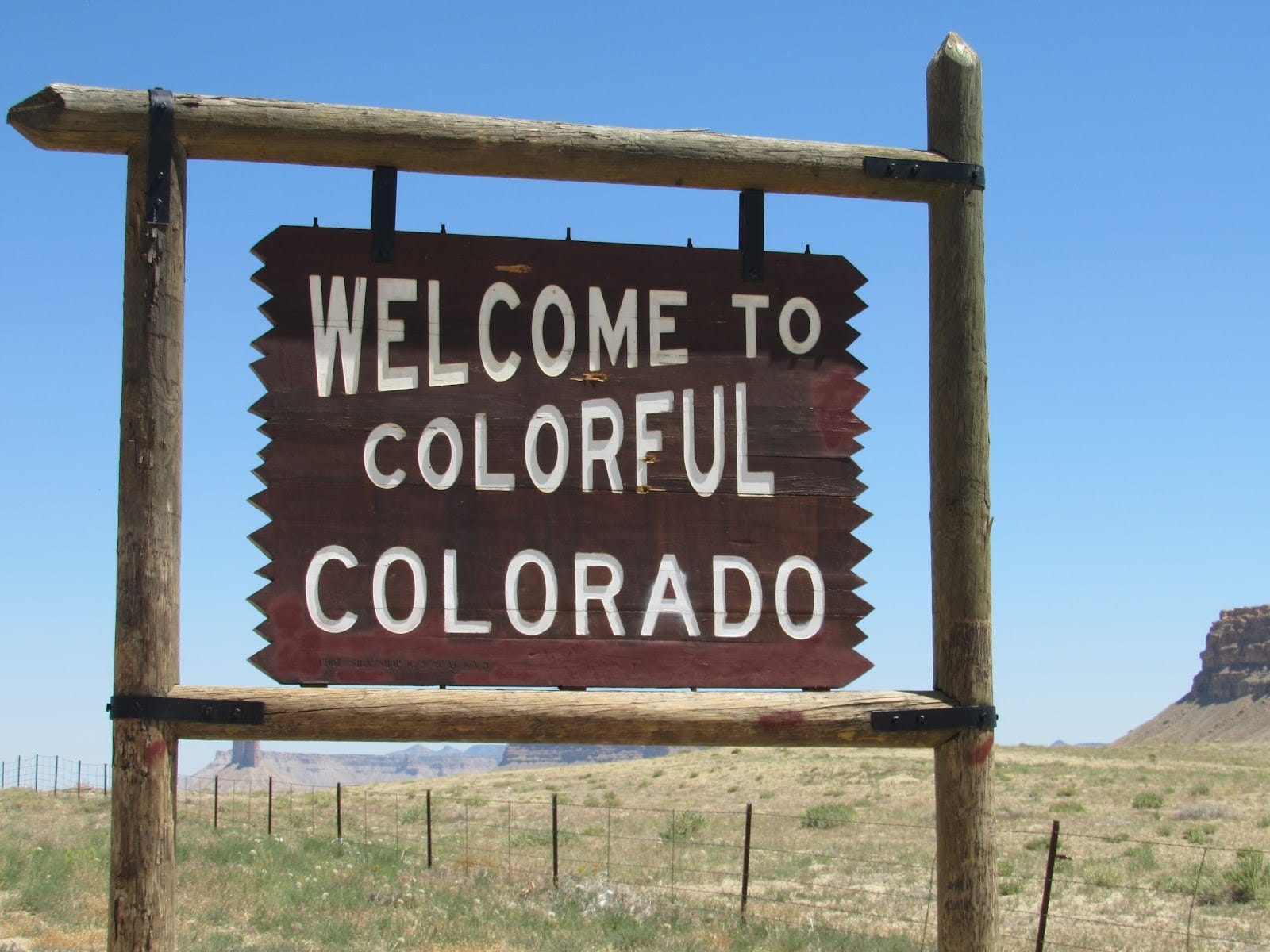
Colorado
- Low average property tax rate* Short-term rental property taxes in mountain towns - the different rules.
- If you're juggling properties across multiple cities or states, that's where iGMS really comes into its own. It saves you from drowning in spreadsheets by helping keep track of tax revenue, nightly rates, and performance across all those locations.
How Your Use of a Property Affects Its Tax Bill
There's a detail a lot of people overlook. Property tax rates change depending on whether a home is your main residence, a second home, or a full-time short-term rental.
For example, in South Carolina:
- Primary residences get a lower assessment
- Investment properties get higher property tax rates
- Renting fewer than 14 days a year means zero lodging taxes
You could have two similar houses in the same state and end up with very different property tax bills depending on how you use them.
What This Looks Like in Real Numbers
Let's take the example of a $400,000 property.
Hawaii
- Very low property tax
- Very high lodging tax
- The overall tax burden is a lot higher than you might expect.
Louisiana
- A bit higher property tax
- Lower lodging taxes
- Much lower total tax bill
Nevada (Las Vegas)
- Moderate property tax
- High lodging tax
- About average overall tax burden
So the takeaway is that the lowest property tax bills don't always mean the lowest overall tax burden.
Other Taxes Investors Often Forget to Consider
Beyond property taxes, short-term rental owners also need to think about:
- State income tax (and whether you have to pay any)
- Corporate income taxes, if you're operating under an LLC
- Local sales taxes
- How complicated your federal tax return is going to be
States like Florida, Texas, and Tennessee do well here because they have low property taxes and no state income tax.
Tax Breaks, Exemptions, and Property Tax Relief Programs
Many states have programs to help reduce property taxes, especially for:
- Senior citizens
- Low-income homeowners
- Disabled veterans
These exemptions don't always apply to short-term rentals, but when they do, they can make a big difference.
Local Rules and Regulations Still Matter
Even if a state has low property taxes, local governments may have their own rules and regulations around:
- Short-term rental limits
- Zoning restrictions
- Licensing requirements
- Safety regulations
Local authorities like the tax assessor, zoning office, and city council have as much influence as the state government.
That's another area where tools like iGMS really help. Keeping all your licenses, listings, and operational data in one place makes compliance a lot easier as the rules change.
Choosing the Best State for STR Investing
Instead of just looking for the lowest property tax rate, smart investors look for a low overall tax burden combined with strong demand.
Ask yourself:
- How much property taxes will I pay each year?
- What are the lodging and sales taxes, and how do they affect my profits?
- Is the state income tax-free?
- How strict are the local STR regulations?
- Are property values going up or stable?
- Am I going to be able to manage all this compliance at scale?

Final Thoughts
States like Alabama, Louisiana, South Carolina, Colorado, West Virginia, and South Dakota consistently have the lowest property taxes, but the best choice depends on your whole business model.
- Low property tax rates are great
- Lodging taxes can make a big difference to your profits
- Local rules and regulations vary by city
- Keeping all your data in order really helps, especially when tax season rolls around.
Low taxes are nice. Clear data and control are better.
About the Author
Daniëlle Kruger is a writer and Content Manager at iGMS. She is an avid reader and researcher of all things travel, always trying to keep her finger on the pulse of the latest trends and innovations. Find her on LinkedIn.