Unlocking Hidden Profit With Multi-Property Management Software
This article explains how serious short-term rental operators can use multi-property management software to uncover hidden profit in their portfolio without adding more listings. You will learn how to tighten pricing, boost occupancy, cut operating drag, and grow direct bookings using one connected system.
Key Takeaways
- Most lost profit in growing portfolios comes from sloppy pricing, manual errors, and slow replies, not from weak demand.
- Multi-property management software lets you centralize operations so you can scale revenue strategy, not just admin work.
- Automation of messaging, cleaning, and owner reporting feeds better reviews, higher occupancy, and stronger margins.
- Portfolio-wide data in one system supports smarter rate, minimum stay, and channel mix decisions.
- Operators who systemize before peak season are better prepared for demand spikes and off-season slowdowns.
Stop Leaving Money on the Table Across Your Portfolio
Hidden profit in short-term rentals usually slips away in tiny pieces. An unfilled two-night gap here, a slow reply there, a rate that is a bit too low on a high-demand weekend. None of these feel huge on their own, but across multiple listings, they add up.
Multi-property management software is how you stop that quiet leak. Instead of chasing more doors, you squeeze more value from the homes you already have. With one system for pricing, calendars, messaging, and operations, you can:
- Keep pricing consistent across similar units
- Respond to guests fast from a single inbox
- Trigger cleanings and tasks automatically
- Sync availability to every OTA without manual edits
When the whole portfolio runs on the same rails, you are not just working faster; you are earning smarter.
Why Hidden Profit Grows as Your Portfolio Scales
The bigger the portfolio, the easier it is for profit to slip away. It is not only the number of units, it is the extra moving parts that come with them: more channels, more calendars, more owners, more staff, and more touchpoints in each stay.
Common failure points show up like this:
- Inconsistent pricing rules between similar units, so one two-bedroom is priced higher while an identical one sits underpriced.
- Calendar misalignment that creates one-night holes or awkward gaps that almost no one books.
- Slow or off-brand replies because your team is jumping between multiple apps and OTA inboxes.
Even small issues around pricing or calendars can chip away at occupancy across the year. When response times lag, guests often choose a different property, so the cost is not just time, it is lost bookings. Once you move past three to five listings, those small misses show up more often, especially heading into busy summer travel and tight shoulder seasons where every booking counts. That is where an all-in-one system stops being a nice idea and starts being a real need.
Turn Multi-Property Management Software Into a Revenue Engine
Many operators treat their software like a digital filing cabinet. It holds bookings, but it does not actively grow revenue. Multi-property management software can be a true revenue engine when you use it with clear strategy.
Here are the core pieces that drive top-line growth:
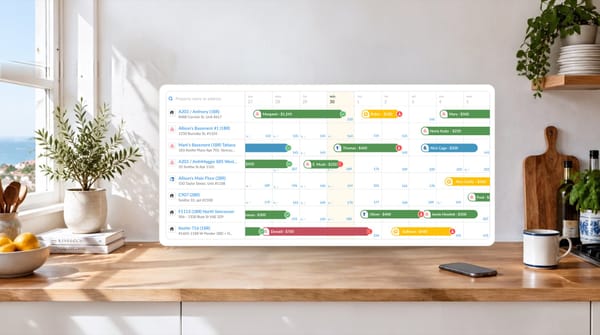
- One centralized multi-calendar that connects to dynamic pricing tools so rate changes cascade across all OTAs in seconds.
- Smart rate and rule templates by property type, area, or bedroom count so you stop manually tweaking each listing.
- Seasonal and event-based pricing rules you can roll out across groups of listings with a few clicks.
With portfolio-level data in one place, you can:
- Compare ADR, RevPAR, and occupancy across similar units to spot underperformers.
- Test different minimum stays, fees, or discounts by group instead of guessing on single listings.
- See which channels do best for certain property segments and shift your focus accordingly.
A connected system keeps rate sync and availability tight, so you avoid double bookings, last-minute price mistakes, and awkward manual fixes that cut into profit.
Automate What Drains Margin: Messaging, Tasks, and Teams
A lot of margin disappears in work that is simple but constant. Answering the same questions, sending the same check-in directions, assigning the same cleanings. These tasks need to happen, but humans do not need to do every click.
Guest messaging automation helps by:
- Sending pre- and post-booking sequences that set clear expectations and reduce cancellations.
- Using conditional templates by property or channel so every guest gets the right information for their stay.
- Running all OTAs through a unified inbox so your team can keep response times tight even on busy weekends.
On the operations side, automation lets you:
- Auto-generate cleaning and inspection tasks from check-out dates, with mobile alerts so cleaners know where to go next.
- Assign tasks by zone, property type, or cleaner, which cuts errors and overtime.
- Track inventory notes and maintenance issues so small problems do not show up in your reviews again and again.
The result is simple: fewer refunds and discounts, fewer hours spent per booking, and better guest reviews that support stronger pricing across the portfolio.
Close Occupancy Gaps with Smarter Multi-Listing Strategy
Discounting is the blunt tool. A unified multi-property system lets you work with a sharper one. Instead of randomly dropping prices, you can use your portfolio to protect occupancy in more focused ways.
Smart tactics include:
- Gap-filling rules that auto-adjust minimum stays to fill orphan nights and short gaps between existing reservations.
- Portfolio-level overbooking buffers and relocation plans, so you can move guests to nearby units when needed without losing revenue.
- Coordinated promotions on selected listings, like midweek offers or shoulder season deals, instead of slashing rates across the board.
With real data from all your listings, you can spot patterns like soft midweeks, lagging studio units, or certain areas that cool faster after peak summer heat. Then you can adjust pricing, photos, or amenities in a targeted way, instead of guessing or reacting late. Multi-calendar views, channel rules, and dynamic pricing integrations inside your software make these moves repeatable instead of one-off fixes.
Capture Higher-Margin Direct Bookings Across All Properties
A scalable direct booking setup needs:
- Centralized availability and pricing that stays in sync with your OTAs, but leaves room for flexible fees and promos.
- Unified guest profiles so you can spot repeat guests and reward them, no matter which property they choose next time.
- Automated pre-arrival and post-stay flows that invite guests to rebook directly for future dates or different units.
Direct bookings raise lifetime value because you are not limited to a single property or season. You can:
- Cross-promote underbooked homes to guests based on their past preferences.
- Run simple seasonal campaigns, like return trips after summer, using the full guest database in your system, not scattered OTA inboxes.
To keep this tidy, payments, deposits, and policies should live in the same system as your OTA bookings. This is where an all-in-one platform like iGMS ties everything together so you can scale profit with control instead of chaos.
Streamline Your Portfolio With Smart Automation Today
If you are ready to reduce manual tasks and stay on top of every property in your portfolio, our multi-property management software can help you move faster with fewer errors. At iGMS, we bring your reservations, guest messaging, and team coordination into one place so you can focus on growth instead of busywork. Get started now to see how a unified, automated workflow can free up your time and increase your revenue.