Digital Marketing for Vacation Rentals: What Works in 2026

Cut through the noise of vacation rental marketing. Learn which digital channels actually drive bookings in 2026 and how to make them work together.
Key Takeaways
- A multichannel approach is the gold standard for vacation rentals.
- Combine social media, search engine optimization, and paid ads to get the best results.
- Drive all traffic and clicks to your direct booking website, and use email marketing to encourage delighted guests to come back.
Vacation rentals don’t get booked only through Airbnb. Still, many hosts rely on a single platform for most of their bookings. You often hear about digital marketing, social media, and direct booking websites. The real question is how to make any of it work.
There is a lot of noise and a lot of promises around vacation rental marketing. We help you cut through it by focusing on what actually works and how to implement it long term.

What is the Best Digital Marketing Strategy for Vacation Rentals
The vacation rental industry is competitive. Many hosts are entering the market. At the same time, only a handful of platforms dominate. If you want to diversify your income, here’s what you should do.
Multichannel approach
A vacation rental business built across multiple booking channels is more stable. You are not dependent on just one source for bookings. In an ideal world, you would rely only on direct bookings and skip platform fees entirely.
In reality, platforms like Airbnb, Vrbo, and Booking.com control a large share of bookings, and many travelers prefer to book there. That is why it makes sense to list your property on all major platforms while also pushing direct bookings through your own vacation rental website.
Just make sure your calendars stay in sync by using a channel manager like iGMS. Without it, keeping availability updated across platforms can quickly turn into a messy and time-consuming job.
Know your ideal guest first
You have to know your ideal guest. Who, among your target audience, are the right guests.
For instance, thecliffs_hockinghills, a vacation rental host with a massive Instagram following, uses this hook in one of their videos:
POV You found your next girl trip destination.
They address their target guests right away. They suggest their property is perfect for girl group trips, maybe a bachelorette party, or just for fun, given its unique setting.
Create a vacation rental brand
Branding your property is a path to long-term success. But how do you create a vacation rental brand?
Brand is often confused with luxury, but they’re not quite the same. While the two can go hand in hand, vacation rental branding is primarily about creating a unique, truly memorable stay and experience.
Easy Win: Optimize Listings for Better Visibility
Listing sites like Airbnb and Vrbo are valuable even with platform fees. What many hosts don’t realize is that you can boost bookings just by rewriting listing descriptions or uploading high-quality images. It's low-hanging fruit that's often missed.
If you’re not sure how to get good photos, hire a professional photographer for a one-off session. Then tweak or rewrite your listing and title to improve visibility and appear more often in search results.
Social Media Marketing
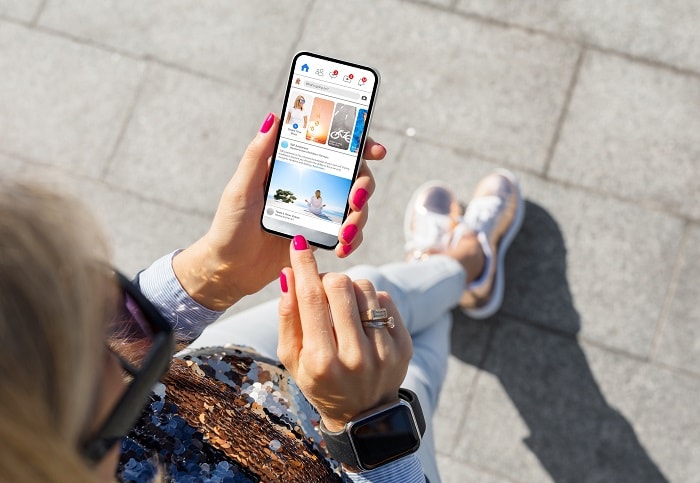
Future guests can find your vacation home on social media, whether by intentional search or by scrolling. We're typically told to post regularly and keep our profiles up to date. That's not the whole truth. Let's see some concrete actions you could take.
Instagram is a no-brainer social media platform for promoting vacation rental properties. Beautiful photos that showcase lifestyle and travel fit perfectly on Instagram.
Unique stays grow a social media following faster
A unique stay is super “Instagrammable,” which helps to stand out and attract followers quickly. These properties are often designed from the ground up to offer a one-of-a-kind experience.
If uniqueness isn't built into your property, you can always add standout amenities or focus on design to make it memorable.
Beautiful pictures, but in all seasons
Showcase your property in different seasons. Each season has a different appeal. It keeps your content fresh.
Video walk-through of the property and surroundings
Create a walk-through video of the property and surroundings. Capture multiple angles as you move through the space, and edit for maximum impact. A motion shot draws more attention than a static image.
Show people in the videos and amenities in use
Show people in the frame as much as possible, not just empty spaces. People opening the door, entering the house, sitting and talking outside, a car arriving. Include guest reviews whenever you can.
Likewise, show amenities in use so guests can imagine being there: fire pits burning, a table set, and so on.
Hosts behind the scenes
Shipping container cabins hosted by Emily and Seth Britt (theboxshop on Instagram) are a great example of how hosts can use their faces to promote rentals and build trust. People connect with people.
When visitors land on their profile, they're greeted with a family photo and the story of how they started hosting. Don’t be afraid to show up—it’s also about the host.
Instagram stories and UGC for engagement
Engage your audience to build trust. Show behind-the-scenes prep, share updates, or post quick polls. User-generated content (UGC) on TikTok and Instagram encourages guests to share and tag the rental.
Since Facebook and Instagram go hand in hand, you can easily cross-post the same content to both platforms.
That said, Facebook is much more community-driven. It’s a great place to join local and traveler groups where you can chime in as a local expert recomending local attractions. By answering questions and being helpful, you can naturally promote your listing.
Travel influencers
The rule of thumb is choose smaller, niche influencers. Micro-influencers often have more engaged audiences and are more open to partnerships like free stays in exchange for content. Agree on deliverables, timelines, tagging, and whether you can reuse the content on your website or ads.
Build a Direct Booking Site for Vacation Rentals
Here is the corrected version with minimal changes to keep your original flow:
Having your own website is essential to driving direct bookings. However, you can have the most beautiful website and zero bookings if you don't find a way to drive traffic. You can do that through social media, SEO, or paid ads.
Regarding website design, a clean layout is a must. Less is more in this case. This type of website must have a booking engine so you can sync calendars and accept payments.
If you use iGMS as your channel manager, you will not only synchronize all calendars, but also create a beautiful booking site for your rental with ready-to-use templates.
Also, insert guest reviews on your home page to build trust and get more direct bookings. Make sure your site is mobile-friendly; that's important for users and SEO.
SEO Traffic
SEO or search engine optimization is about showing up in Google's search results.
What can help you with local SEO is to have a blog on your website. There, you can post fresh content like local guides to target keywords.
Keywords are those words that guests actually type on Google.
Note that no one types "charming and cosy downtown apartment in Asheville, NC".
People will type "vacation rentals Asheville NC pet friendly" or " cabins near Colorado Springs with hot tub".
Every property page and blog post should target a unique, long-tail (highly specific) keyword that people search for. Your key property pages should always target your most relevant keywords.
You can build backlinks through partnerships with local businesses to improve rankings.
Paid Advertising
A good vacation rental property manager should be familiar with paid online advertising.
Paid search ads and Meta ads
PPC ads, or pay-per-click ads, are one of the most common types of SEM campaigns. These are sponsored listings that usually appear at the top of Google search results.
PPC is a solid option if you want quick visibility and cannot wait for organic traffic and rankings to kick in.
Meta ads on Facebook and Instagram are also effective for reaching people who have shown interest in traveling to your area.
That said, you need to watch performance closely. If ads aren't driving bookings, they can burn through your budget fast. Start experimenting with ads around local events or during periods of higher demand first.
Retargeting
To make sure you get the most value from your ads, all you need is a tracking pixel on each direct booking page to collect audience data and retarget audience across platforms like Meta and Google.
You retarget website visitors who have already shown interest in your property and are more likely to convert. You segment your audience based on behavior. For example, people who viewed a specific property started a booking process but didn’t finish it.
This approach usually drives higher conversion rates at a lower cost compared to targeting completely new audiences.
Can I Build an Email List for Repeat Guests
Email gives you full control and is definitely an underused channel for vacation rentals.
All the channels and digital marketing strategies we’ve mentioned so far are focused on attracting potential guests. Email is probably the only channel that actually helps you stay in touch with previous guests. You can build great guest relationships so they come back and book again.
A solid email marketing strategy starts with collecting guest email addresses. That doesn’t have to be complicated. You can add opt-in checkboxes to your booking confirmations to collect emails directly. At check-in, you can also prompt guests to connect to Wi-Fi through a branded splash page that asks for their email.
There are plenty of email marketing tools you can use to send occasional messages, remind past guests of your hospitality, and maybe offer a special deal or promotion.
Marketing Strategies for High and Low Season
Property owners should understand how pricing strategies change by season. Dynamic pricing based on demand is one of the most effective strategies for vacation rental hosts.
It means lowering prices and offering discounts during the low season to drive more bookings, then raising prices when demand is high or when local events bring in more visitors. You can also experiment with length-of-stay minimums, such as requiring a three-night minimum during peak weeks to maximize revenue and reduce turnover.
How you price your properties and how you offer discounts is also part of your overall marketing strategy.

Which Metrics Signal a Good ROI?
Website traffic, views, and engagement with your content are a useful starting point. On its own, it can turn into a vanity metric if it is not tied to bookings. What matters most is where the traffic comes from and whether it converts.
Tools like Google Analytics help you understand traffic sources for your website and user behavior.
Ad platforms like Google Ads and Meta provide clear performance data to track engagement.
Use UTM links to track which campaigns actually drive bookings. Focus on cost per booking, not just cost per click, to understand the real impact of your ad spend.
Understand which channels perform well and drive ROI, then double down on what works or adjust your strategy where needed.
FAQ
Which social media platforms work best for vacation rentals?
In practice, Instagram and Facebook usually give the most consistent results for vacation rental hosts, but other video platforms like TikTok and YouTube can work too.
TikTok favors storytelling and strong hooks, and its algorithm is similar to Instagram Reels. What counts are great visuals combined with a bit of storytelling, good hooks, consistent posting, and engaging with your audience.
Should I hire someone to do social media marketing for my vacation rentals?
If your time is limited and you want to scale bookings, hiring help can pay off, but only if you choose someone who can deliver measurable results.
A skilled social media manager with proven results will know how to improve your social media presence. You can try a hybrid approach, where you handle some content yourself and hire someone for strategy and ads. This often works well for small vacation rental owners.
Vacation rental companies should also have experience managing all digital marketing channels.
Does a channel manager improve rental performance or just operations?
A short-term rental business depends on managing listings across different OTAs and direct bookings.
An effective channel manager, like iGMS, prevents double bookings and keeps your calendar updated, no matter the traffic source.
But it’s more than that. It’s about guest satisfaction. Happy guests improve your ROI. Accurate calendars mean nothing without efficient turnover. Cleaners need to be responsive, check-ins can’t slip, and your direct booking engine should handle payments without a hitch.
Try iGMS, which automates all of these tasks while letting you oversee your vacation rental business right from your app.
About the Author
Zorica Milinkovic is a B2B SaaS writer who is passionate about psychology, marketing, and, when inspiration strikes, cooking. You can find her on LinkedIn.